Visit in February 2026
March 5, 2026
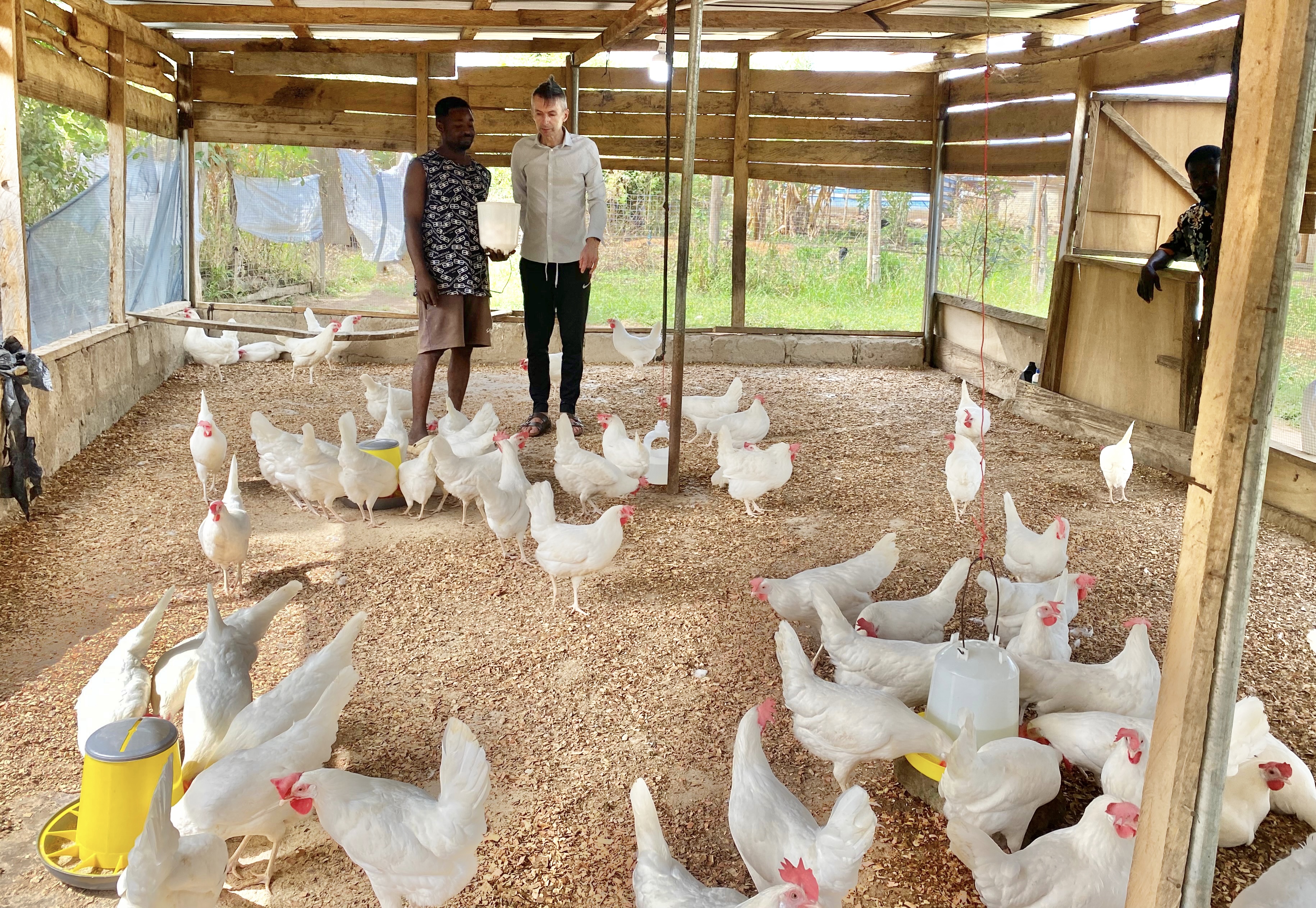
Frank’s egg farming business
We funded
FKDFrank Kwasi Dwomoh to buy 100 birds (and feed and other materials) on 1st January (£1272), and he has made a great success of his egg farming business. On 14 January he got his first egg; at the time of our visit on 23 February, he was collecting about 90 eggs each day. By 18 February, he had collected about 2100 eggs, and sold them for £250. He invested most of that money back in his business, buying feed and medications, and starting to build an additional coop.
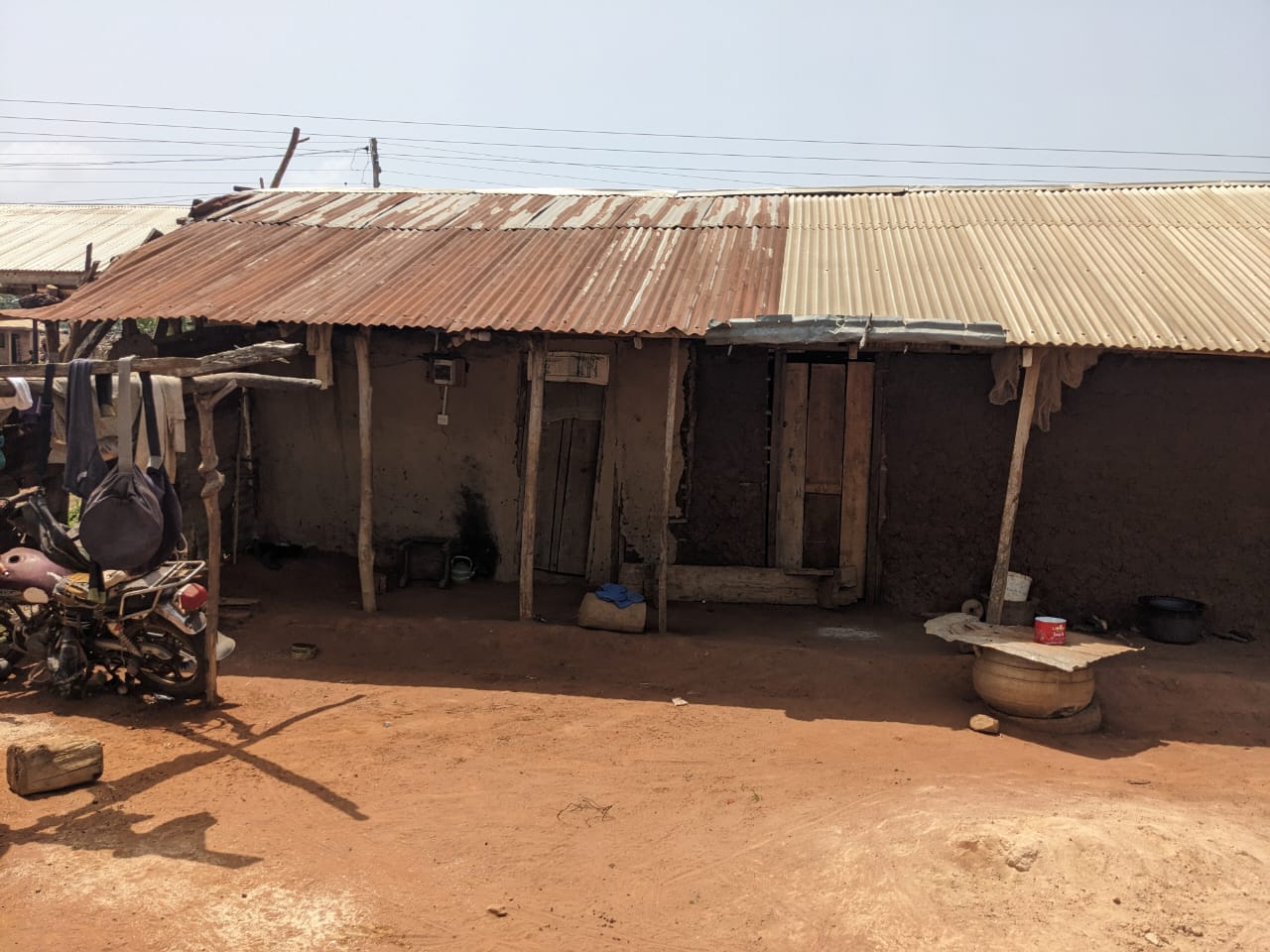
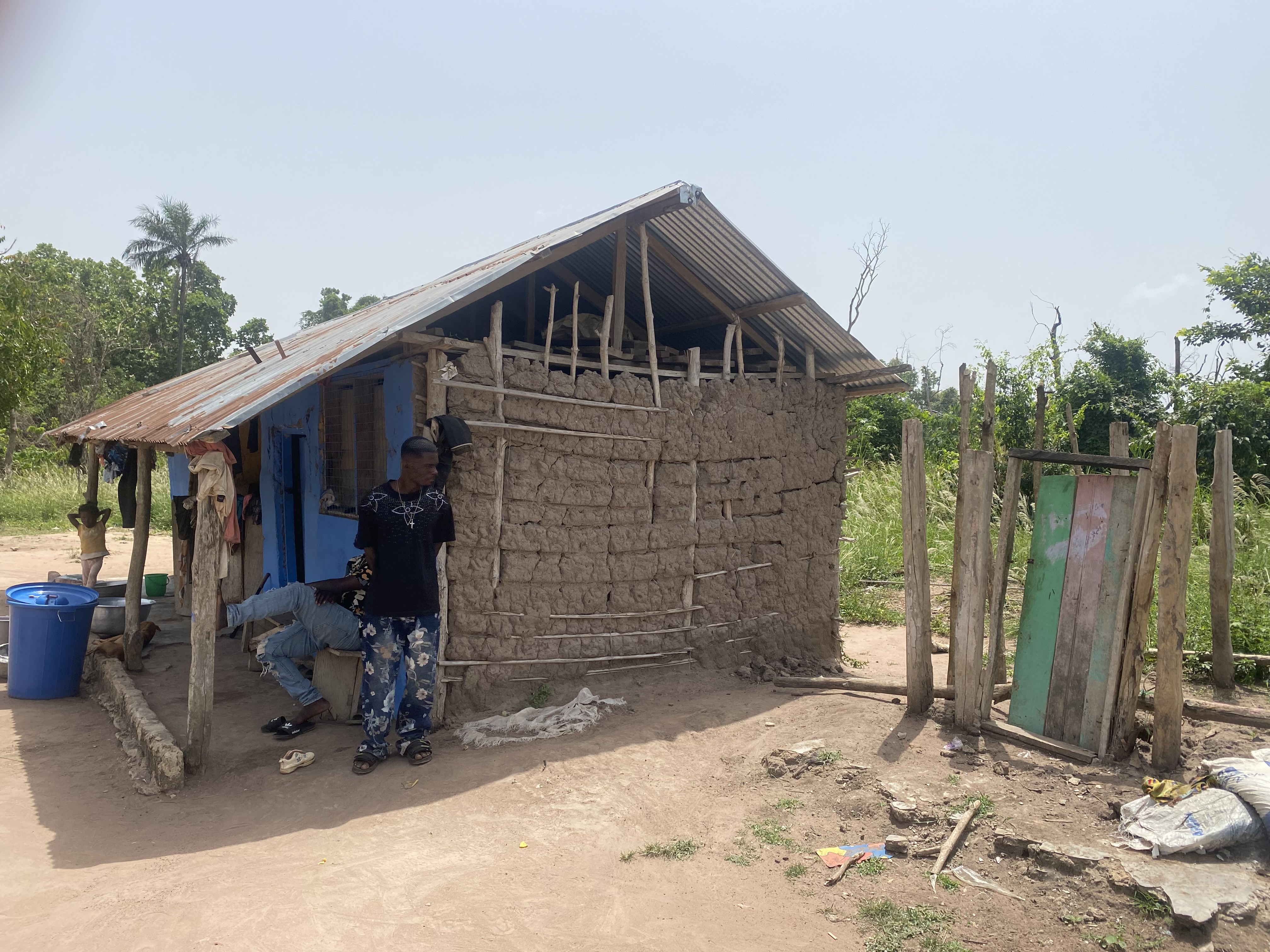
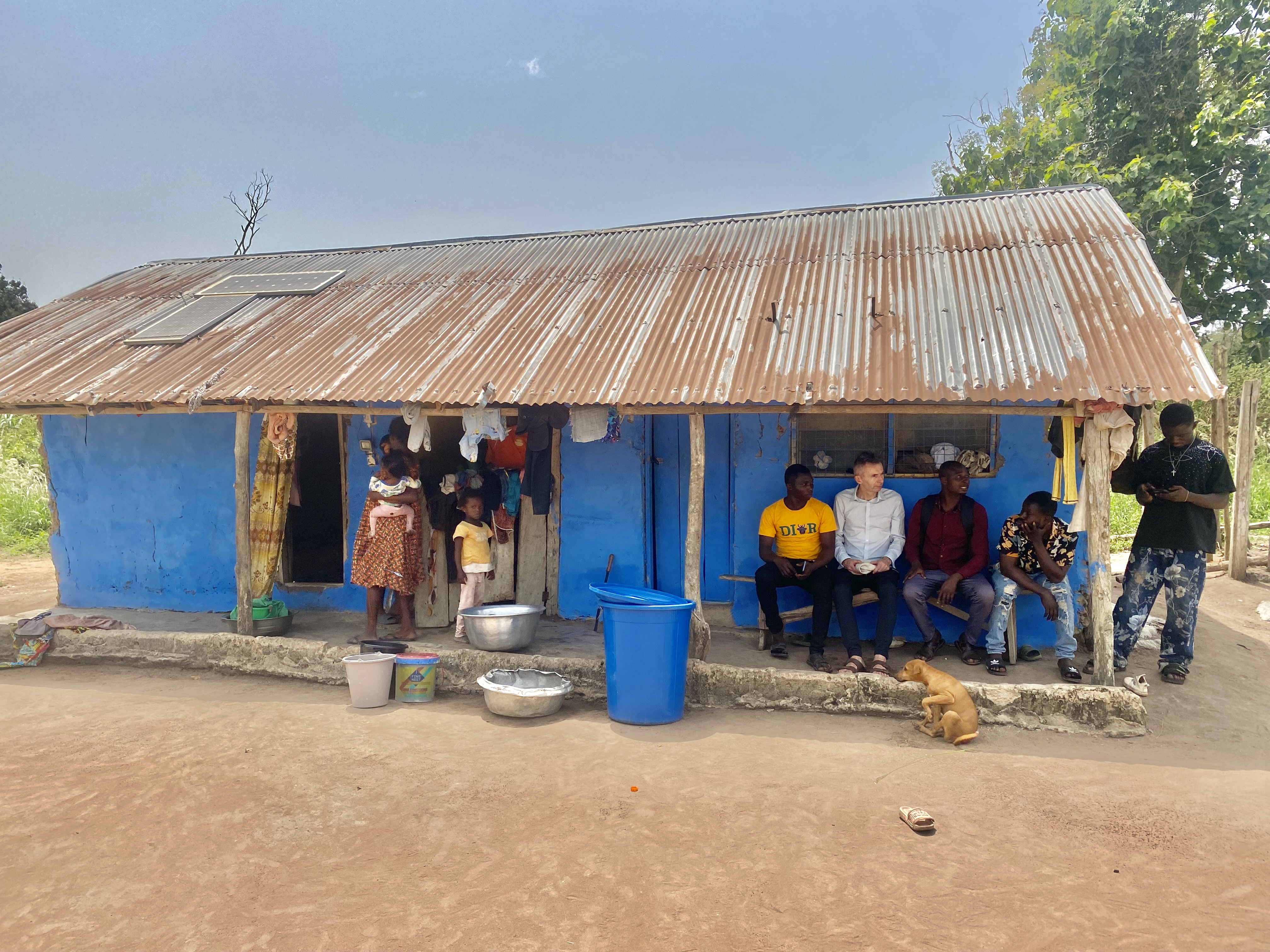
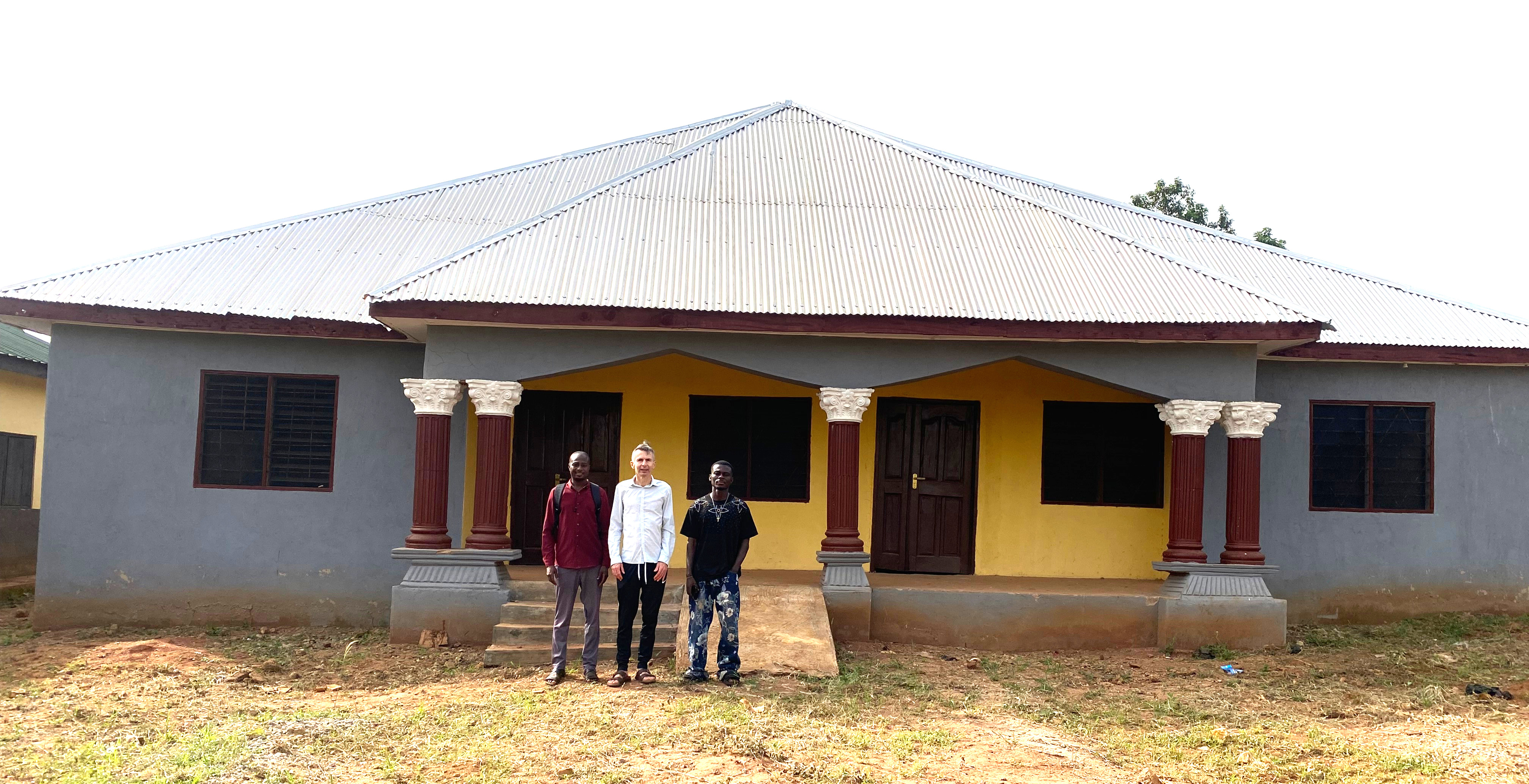
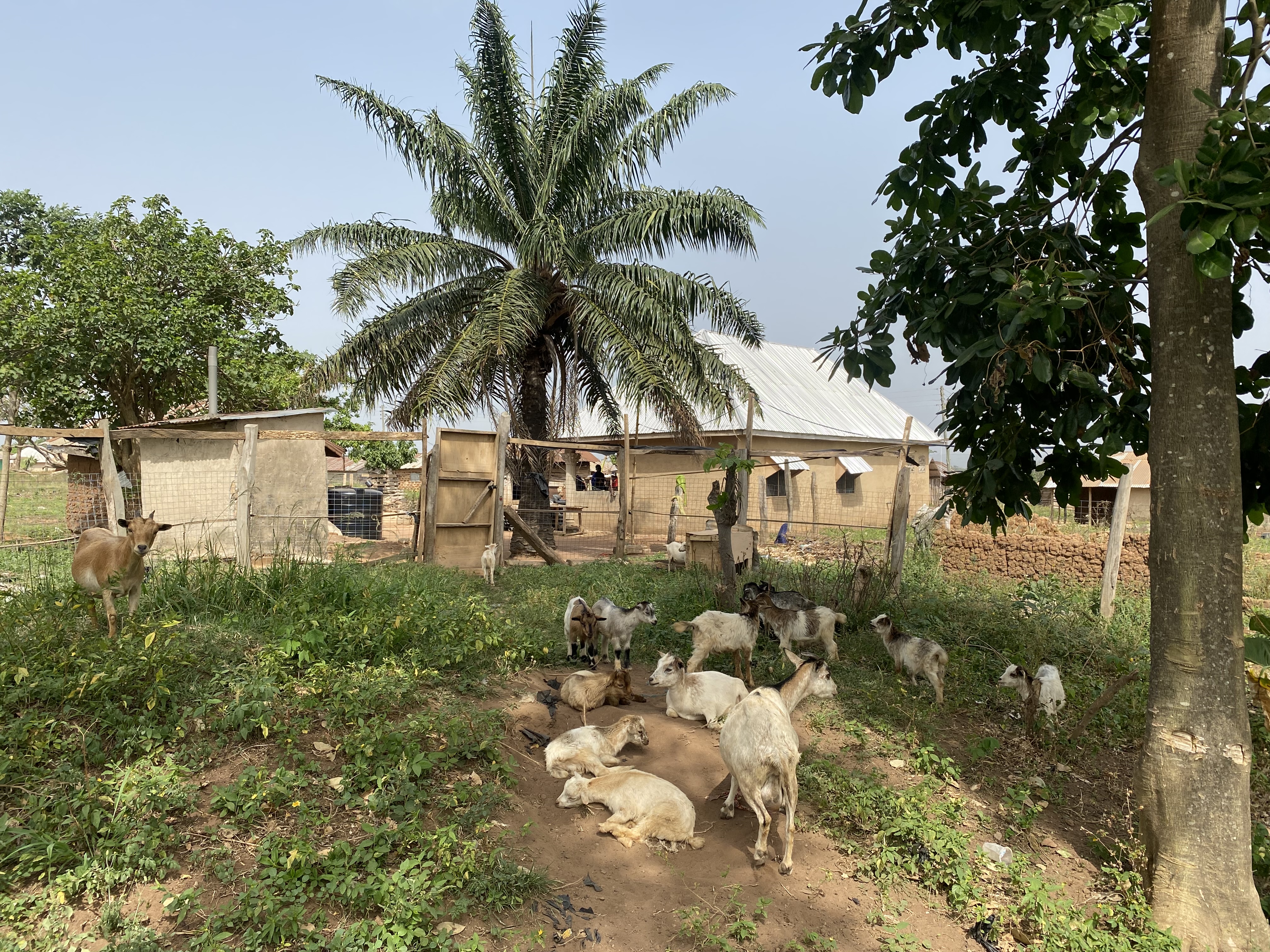
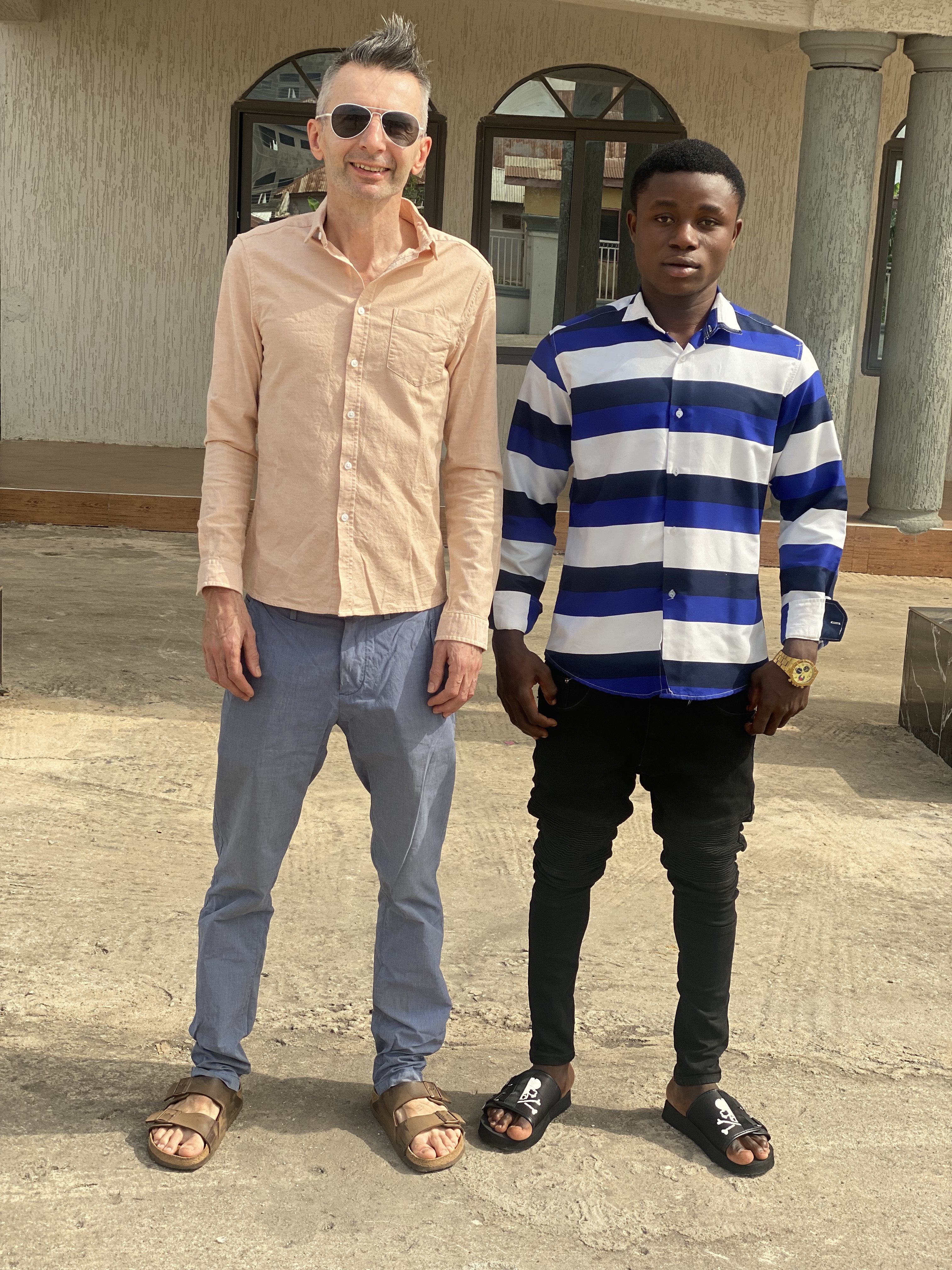
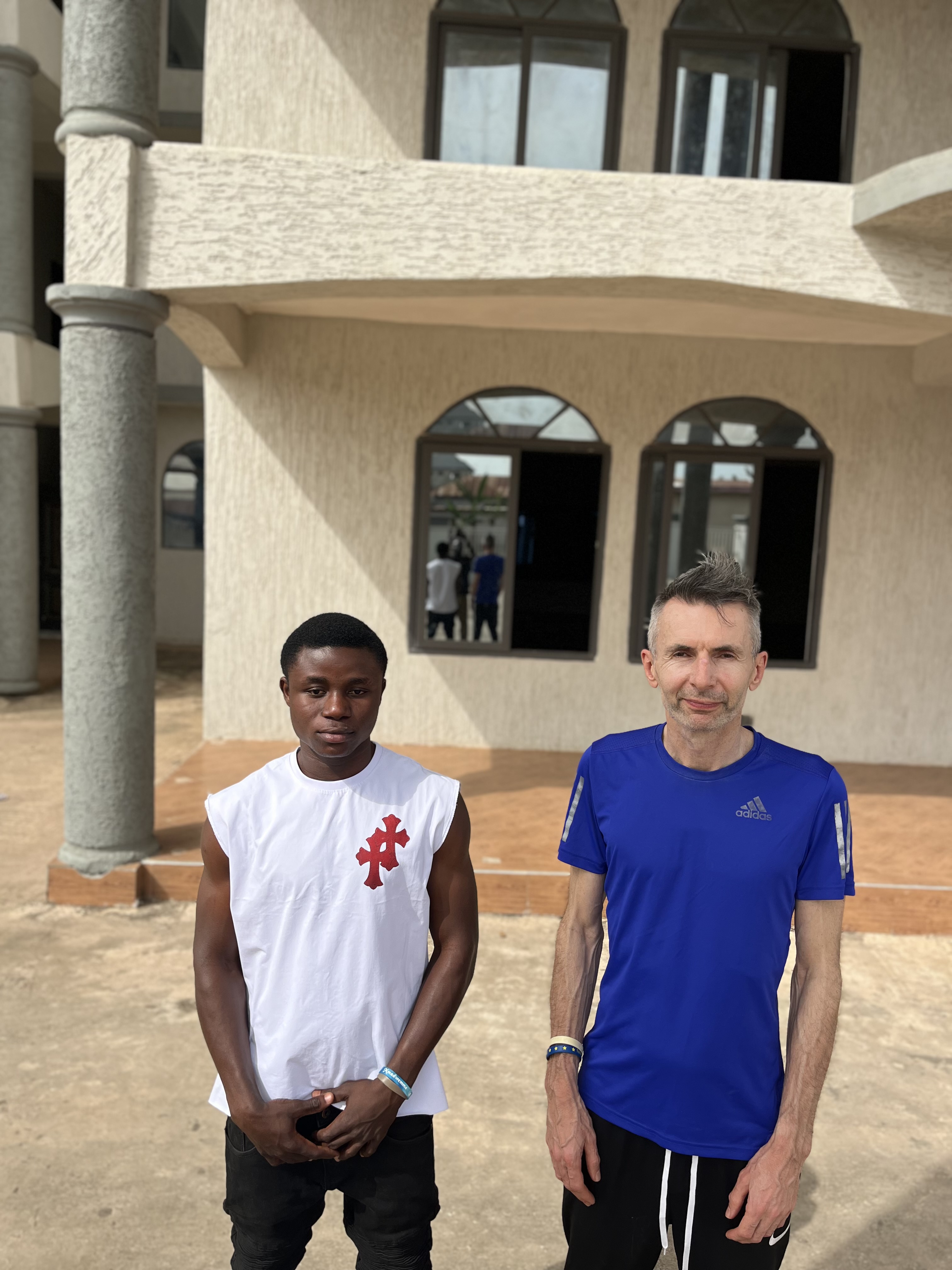
It’s a 24/7 job; Frank lives close to the coop (pictured house) and gets up at night to check on the birds.
Frank is now requesting funding for more birds and for the materials for the additional coop. Doubling the number of birds wouldn’t double the amount of work, so it seems like the right thing to do.
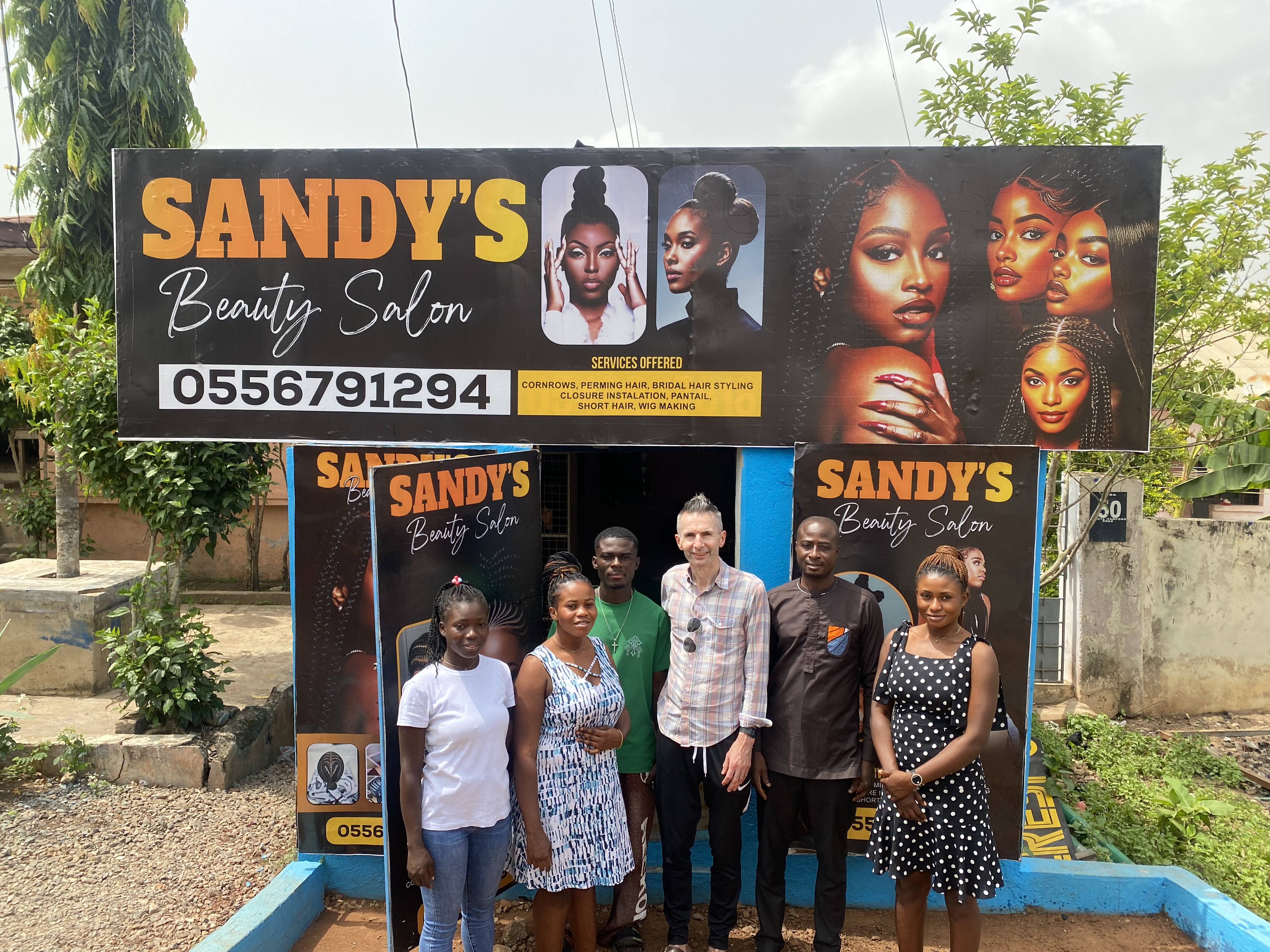
Sandy’s hair salon
We funded
SASandra Adoubi to start a hair dressing business; she had been an apprentice for 3 years and already had a loyal set of clients. With the money we provided (£775),
SSandra rented her container shop for two years and bought equipment for her business. At the time of our visit, she had been operating for six weeks, so it’s early days still. She has asked for futher funding for equipment and to increase her stock of hair products.
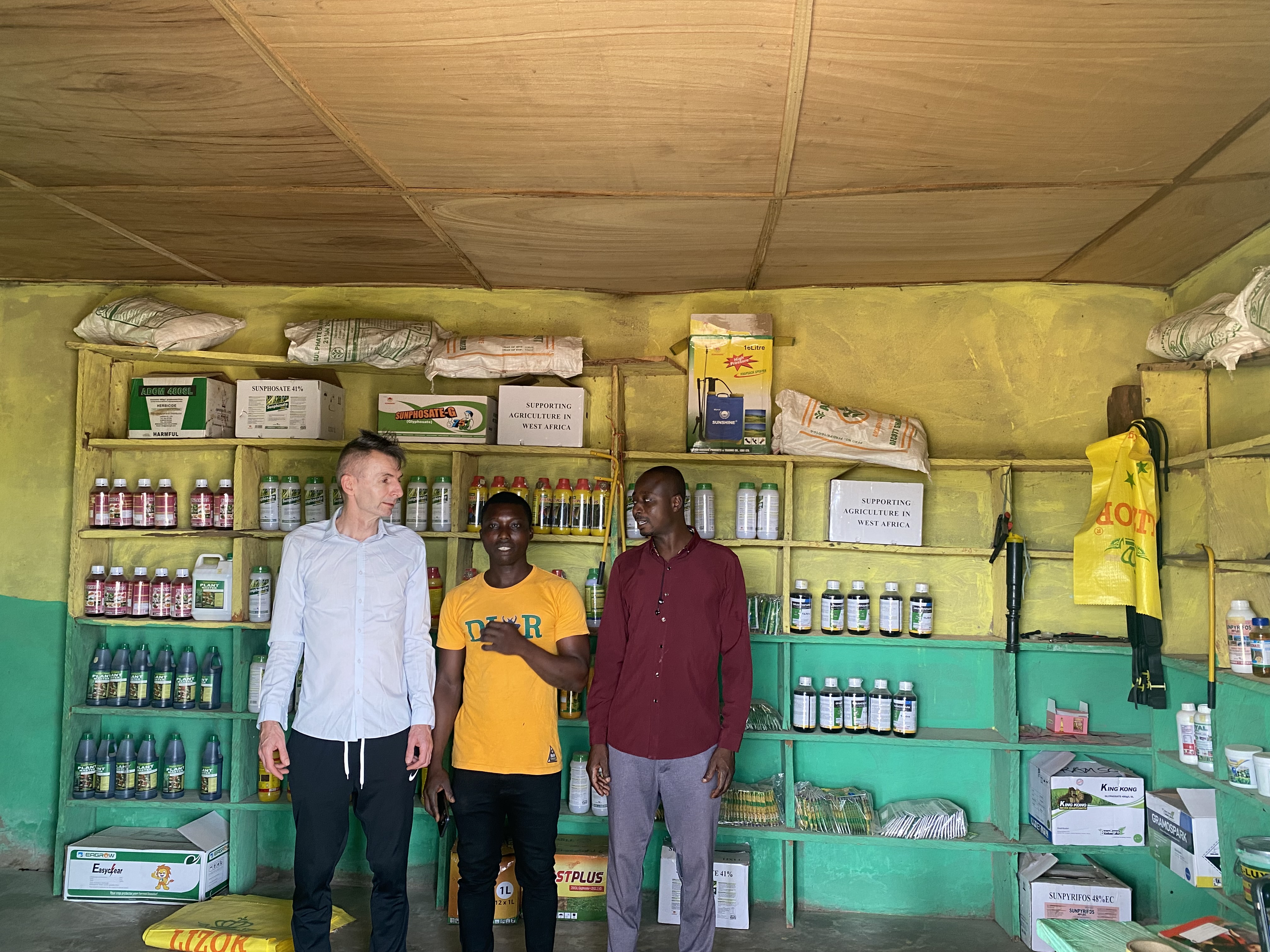
Farming supplies business
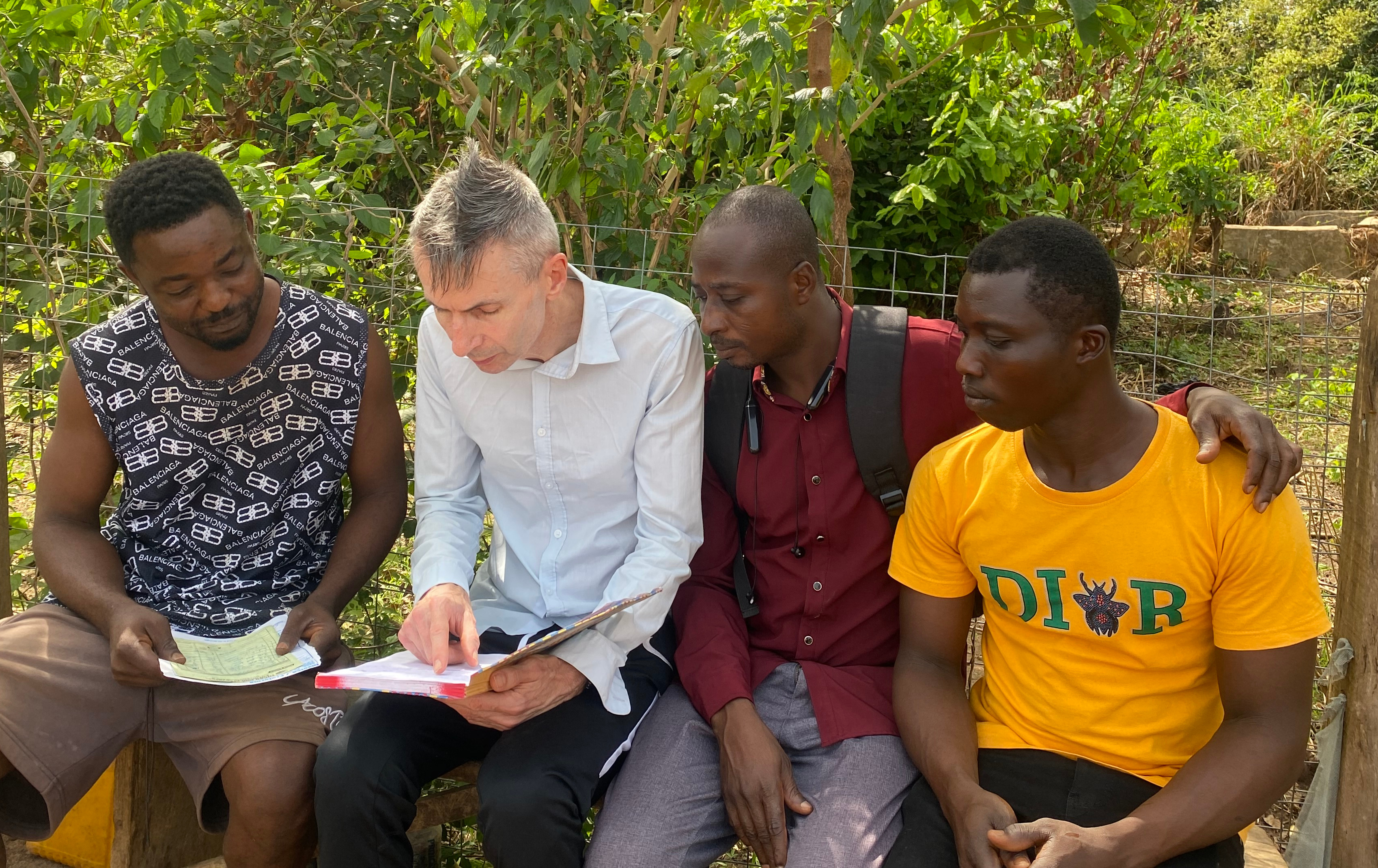
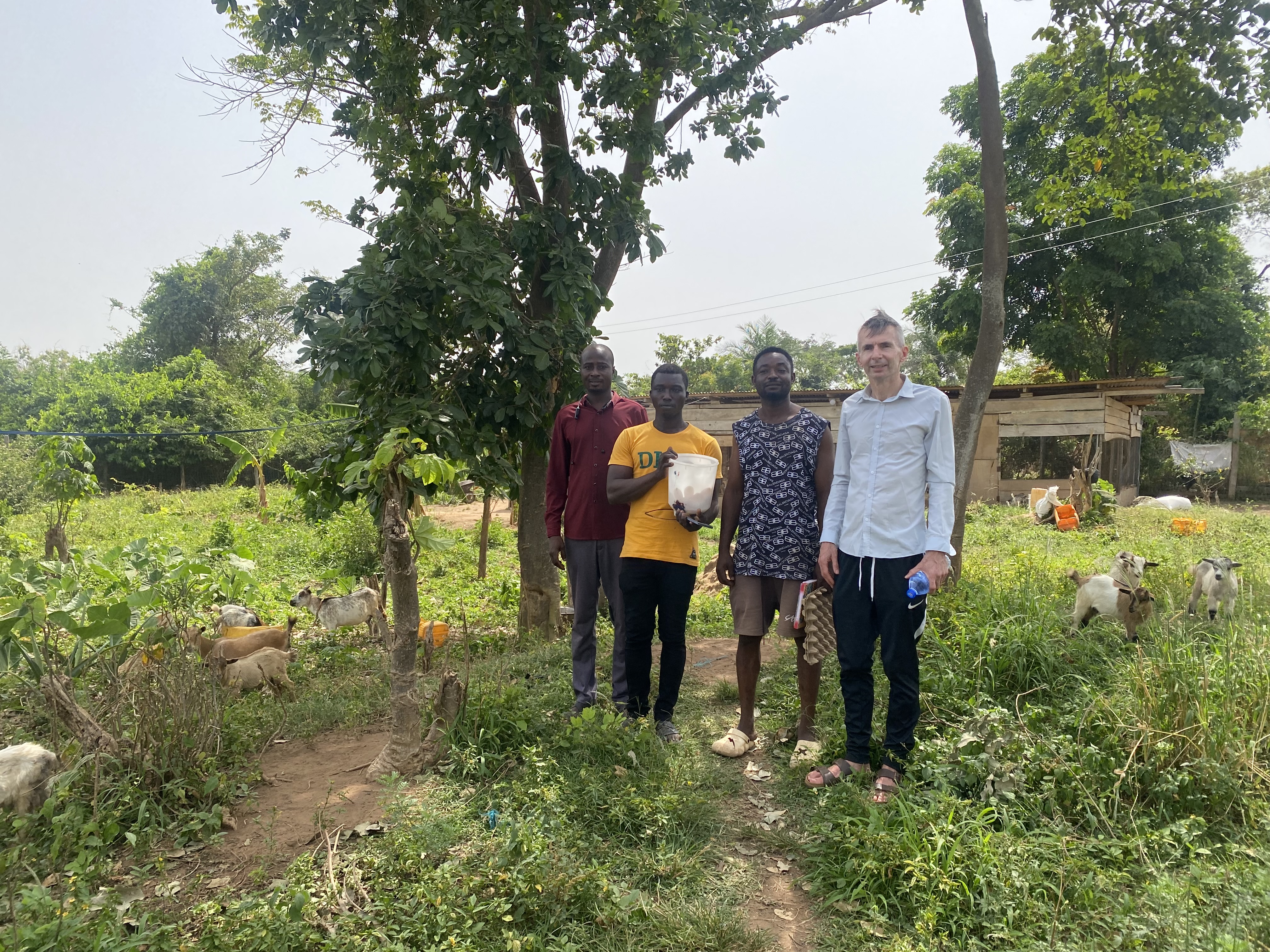
NENaakman Evans started a farming supplies business with our funding (£645). He sells seeds, fertiliser, herbicides and pesticides to local farmers. At the time we visited, he had been trading for six weeks, and is managing a modest turnover. His most popular product is carrot seeds, but his markup on that is only 5%. He can’t increase the price because his customers would go elsewhere. It seems like a tight-margin business. At the time of our visit, he was out of stock of carrot seeds, and so was his supplier. It seems that happens quite frequently, so one idea for
EEvans is to buy stock when supplies are plentiful, and hold that stock until supplies are restricted. Then he could increase his margin. He has asked for further funding to allow him to hold more stock of carrot seeds, and other items that have a similar trading pattern.
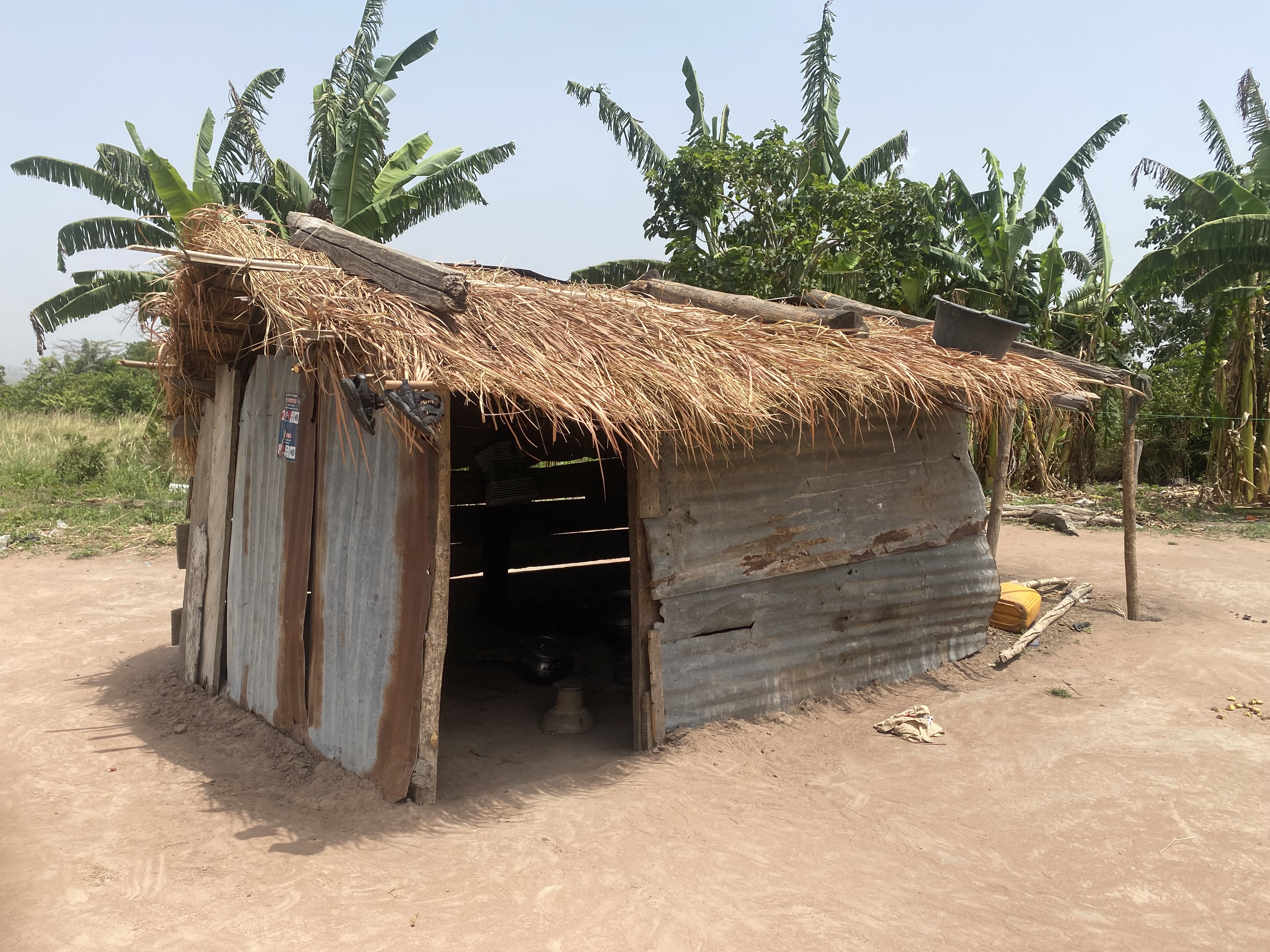
This is
EEvans’s house. He lives with his wife, their two children, and his mother. The separate structure is their kitchen.
Tailor shop
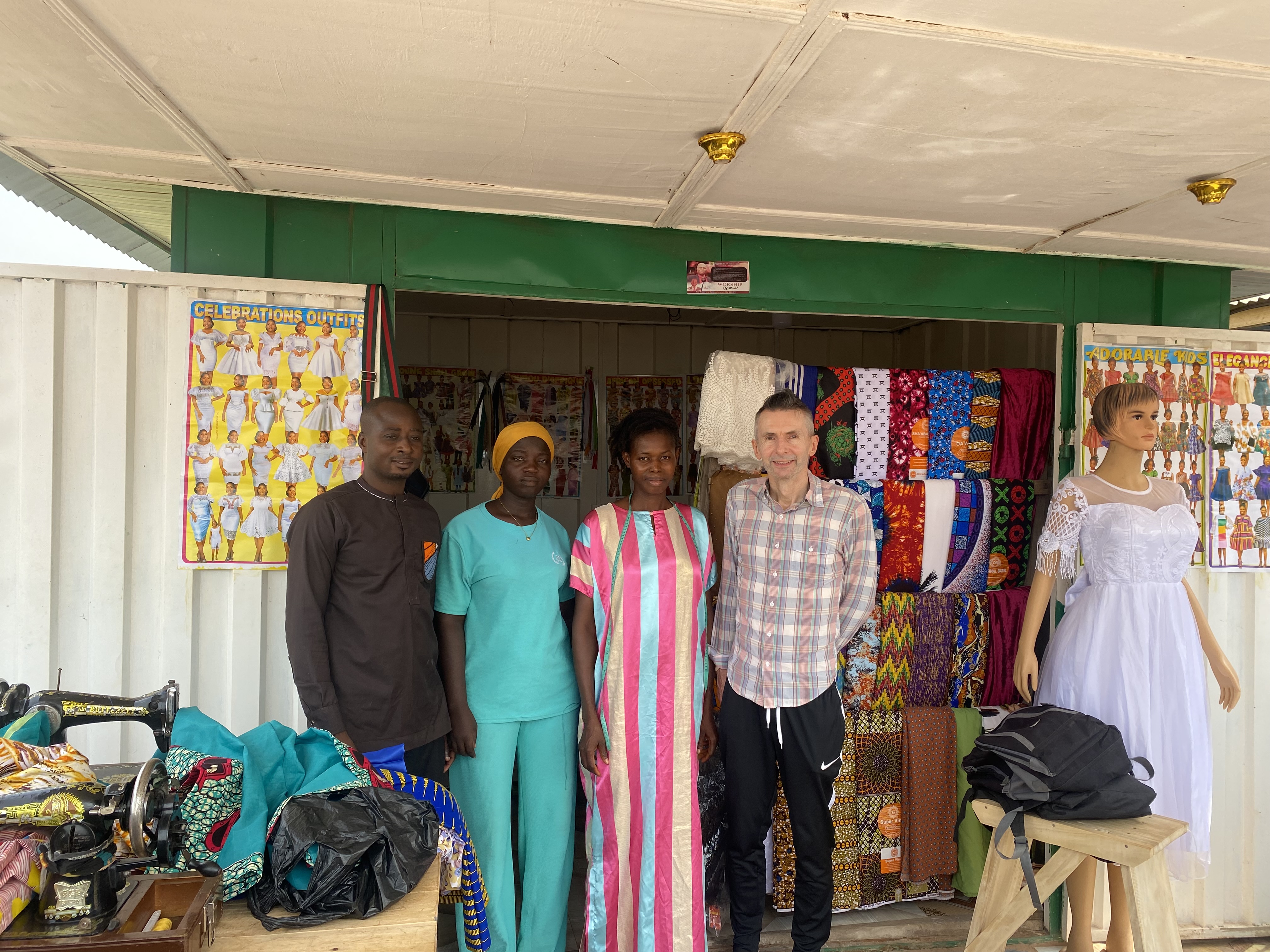
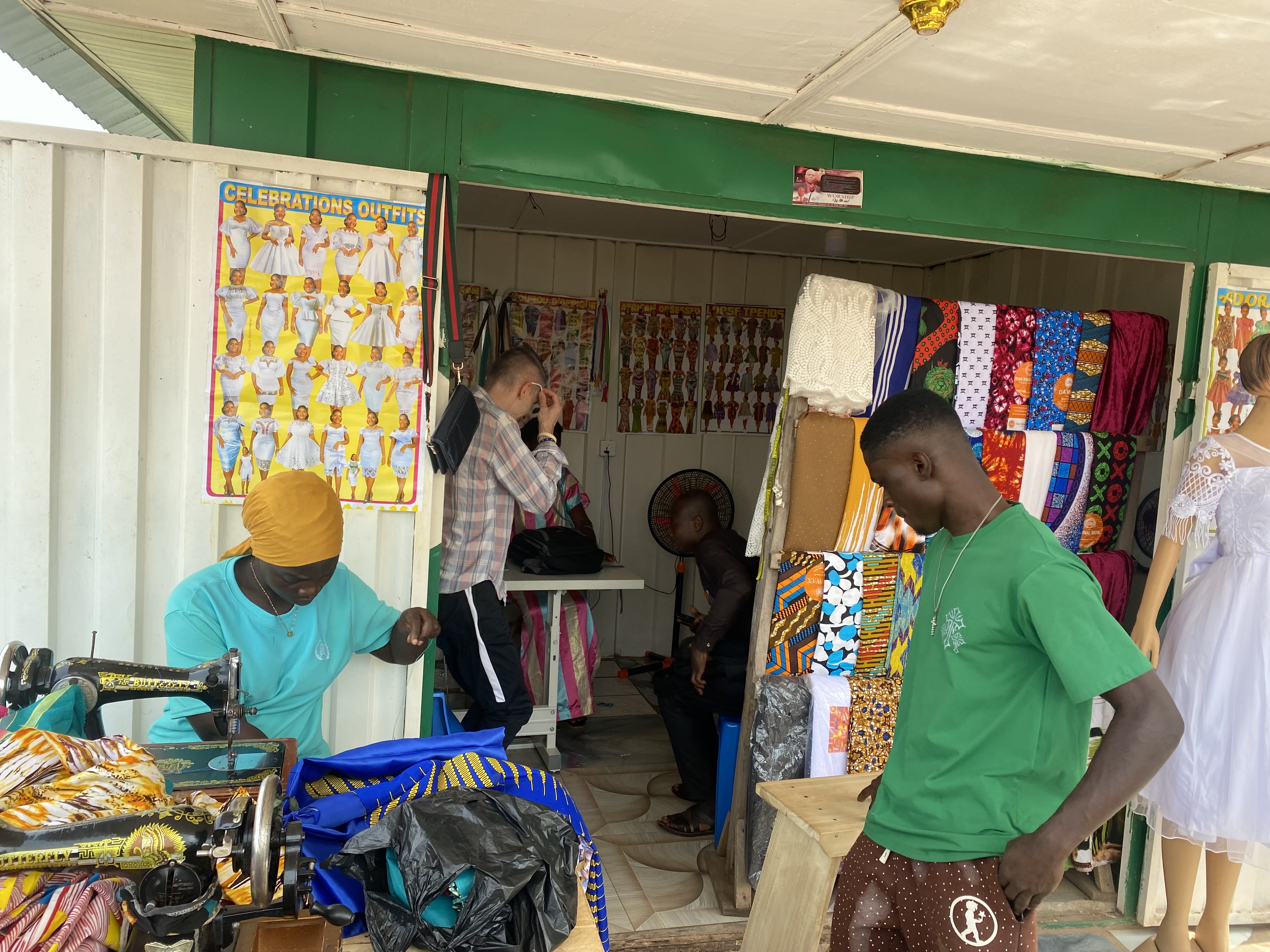
LYLeticia Yara started her tailor shop with our funding (£645). She has rented the container shop for two years, and bought some supplies. A friend has given her an electric sewing machine, and she also has a manual one for her apprentice. Similarly to the other business starters, she has been trading only a few weeks. But she seems constantly busy, always with customers in her shop.
New apprentices
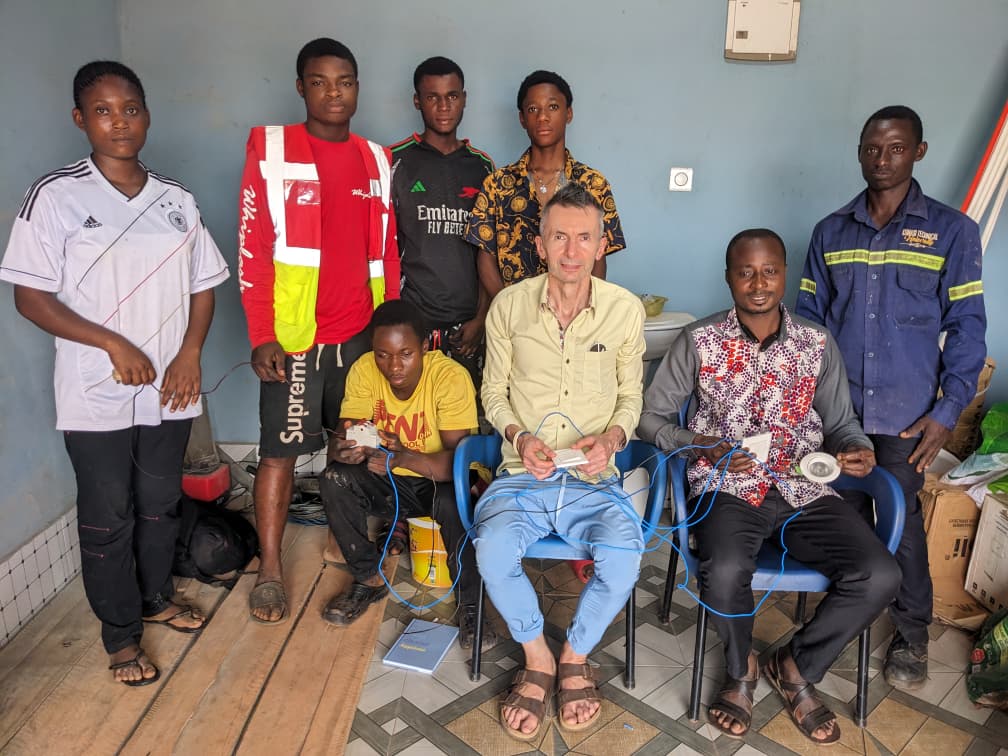
We have assigned three apprentices to electrician
KAKofi Ampofo; they started on 1 January. They demonstrated what they have learned so far: how to wire an electric light so that it can be controlled by two switches. It is very nice to see their enthusiasm. In the photo: left of me are five apprentices (three of them TG); right of me are Kwasi Alare and
KAKofi Ampofo.
Aframano latrines
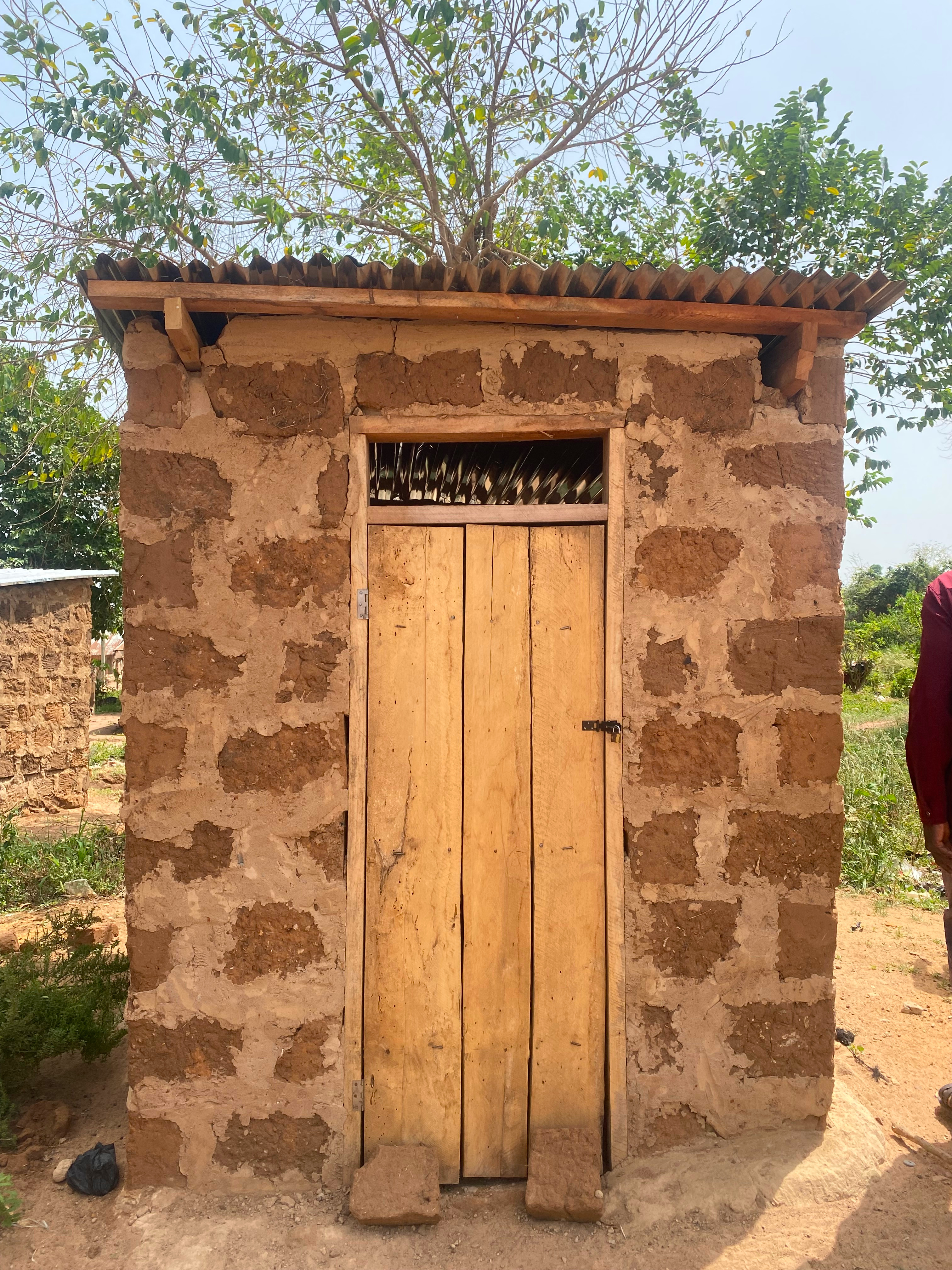
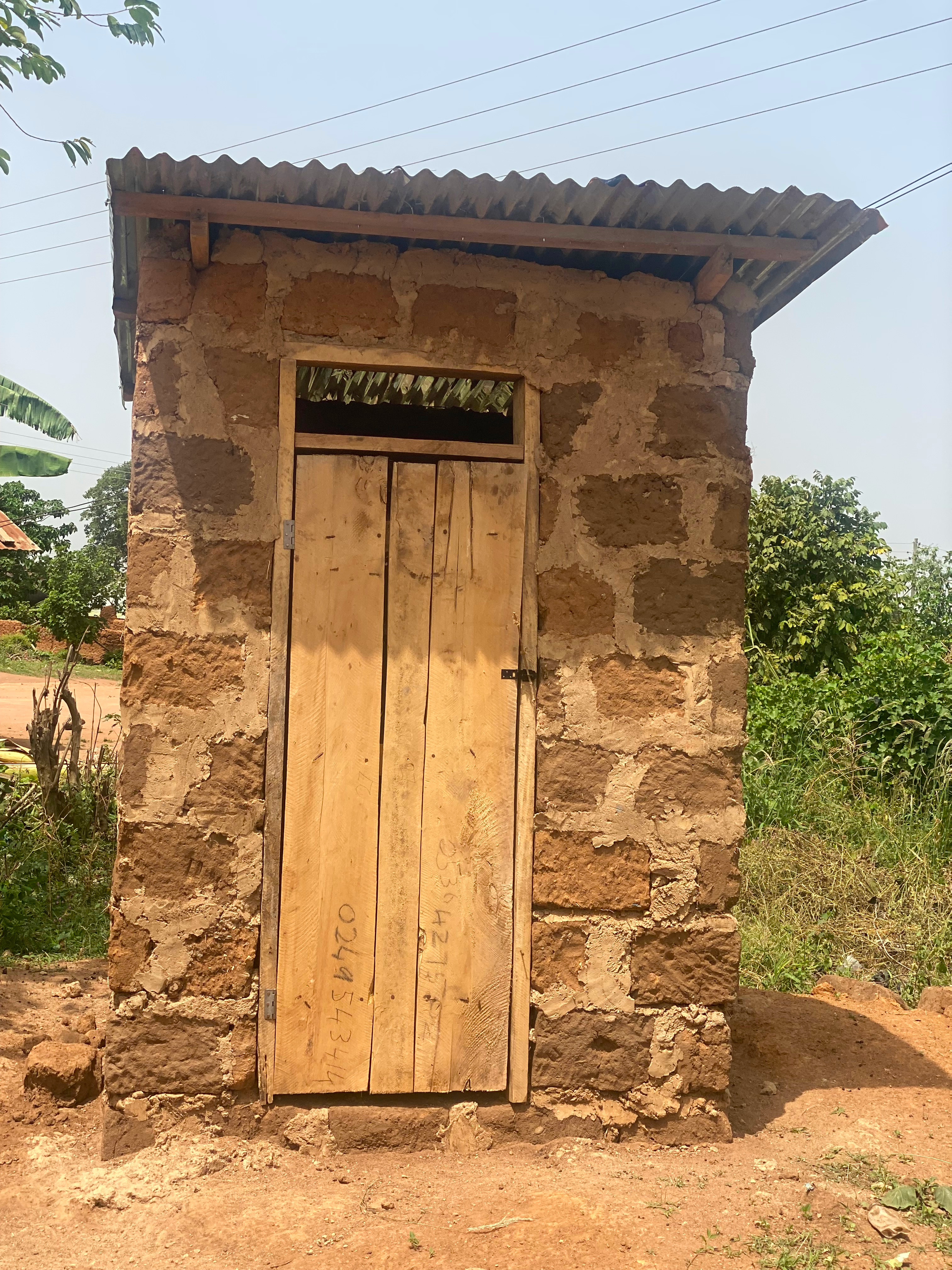
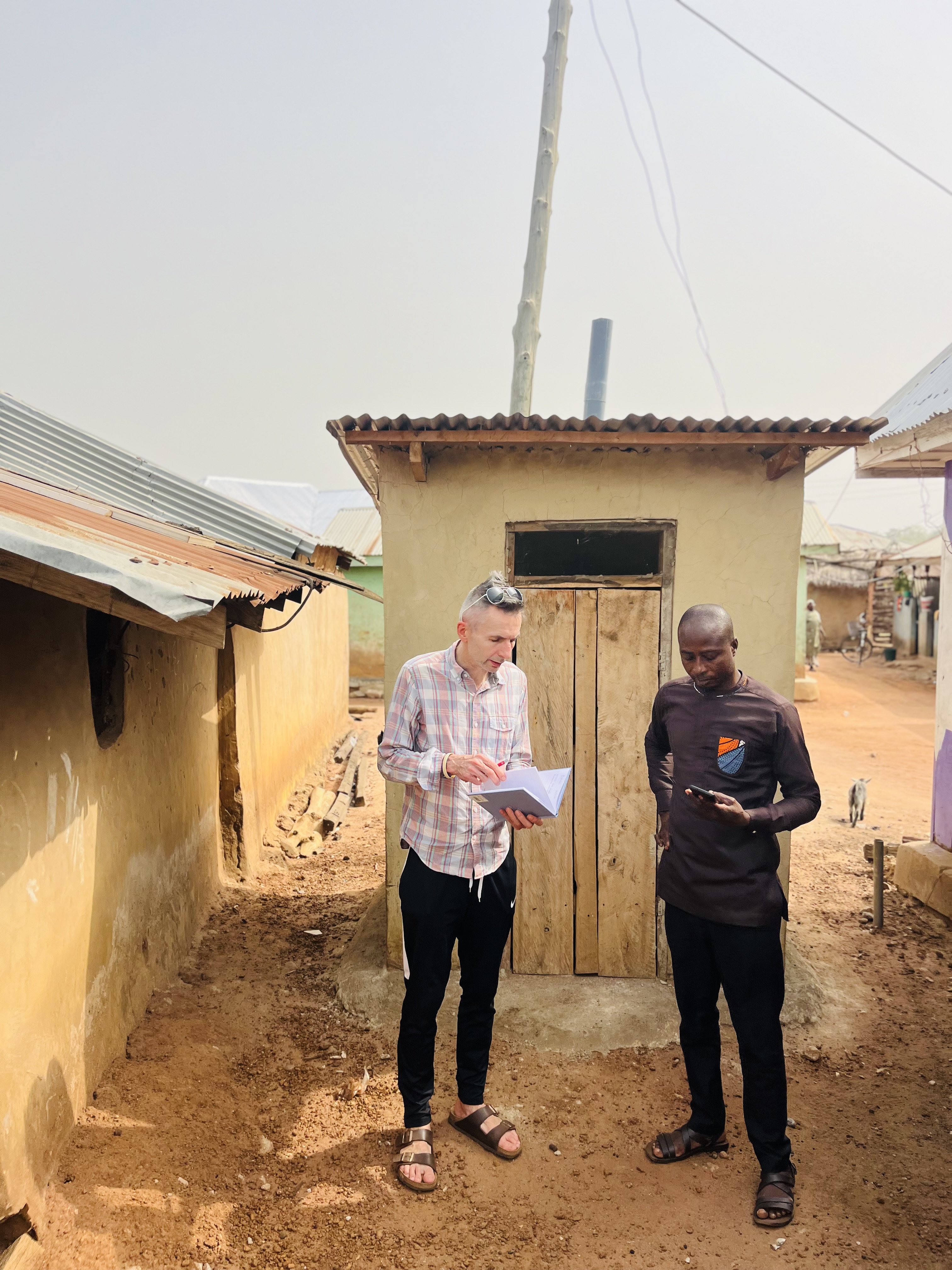
We are rebuilding the latrines in Aframano that got washed away in the big rains of 2024. We’re building 100 latrines in Aframano; about 80 of them are currently in this state (construction finished, still to be plastered).
Anyankamamu teacher accommodation
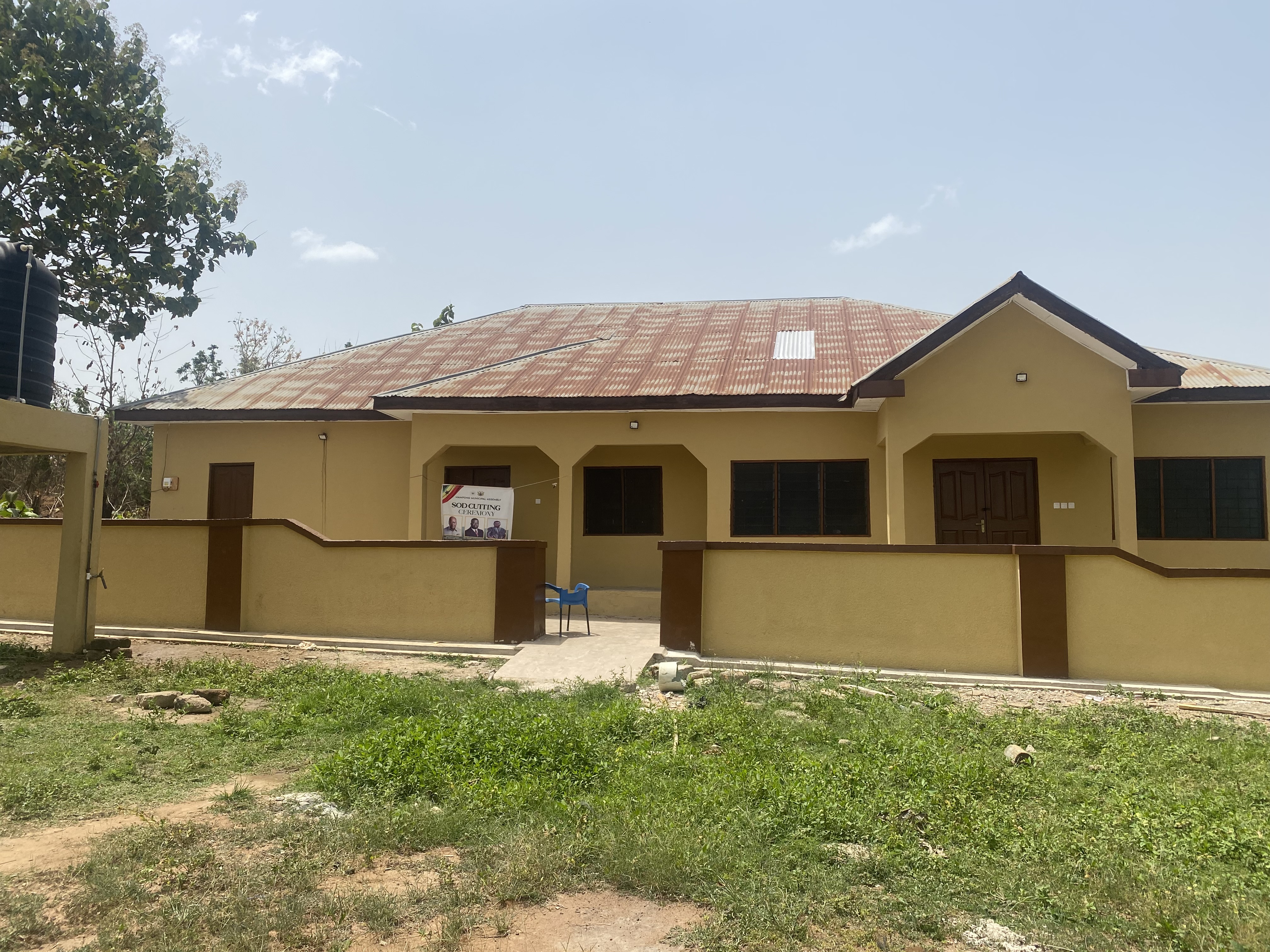
This is fully finished now, except that it has no electricity. We’re not going to install solar panels for the time being, but we will buy some solar torches and phone chargers to make sleeping here more appealing for teachers.
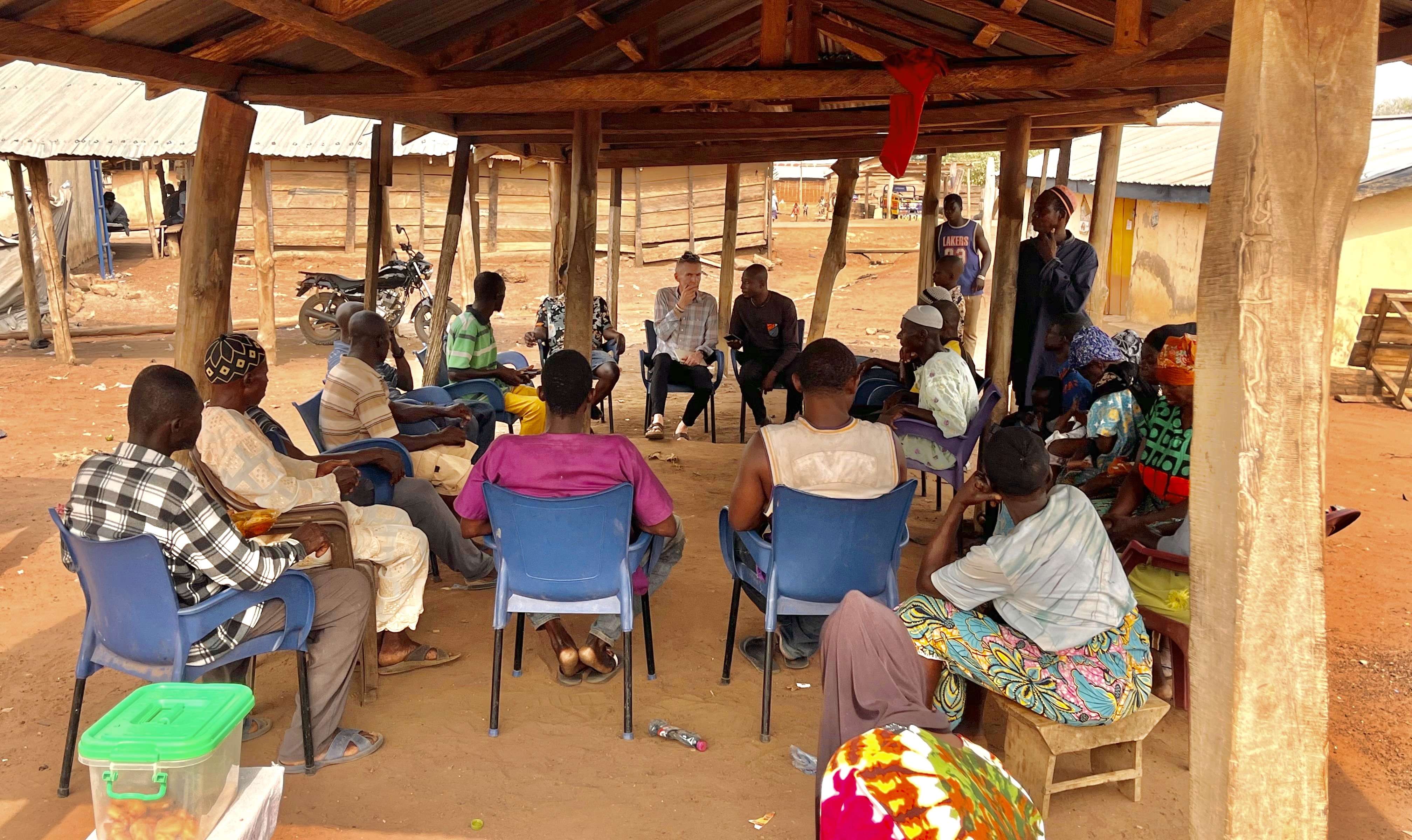
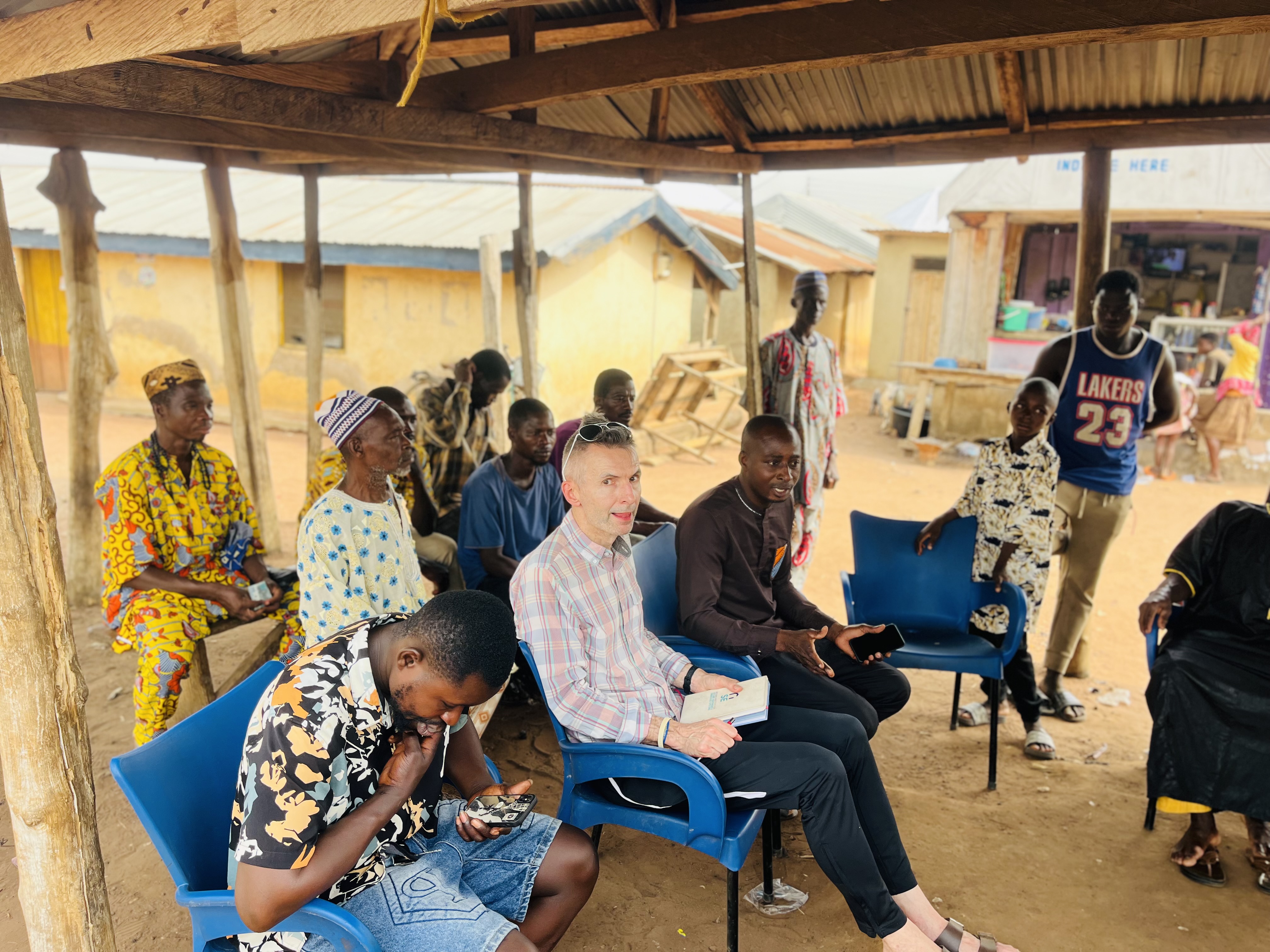
By the end of last year (2025), we had completed 101 latrines in Bunuso. Mark inspected 20 randomly chosen ones, and identified some issues for the carpenter to attend to. We also had a community meeting to discuss this and future projects. Future projects in Bunuso will depend on how well the latrines are cared for.
Meeting the District Chief Executive in Sekyere
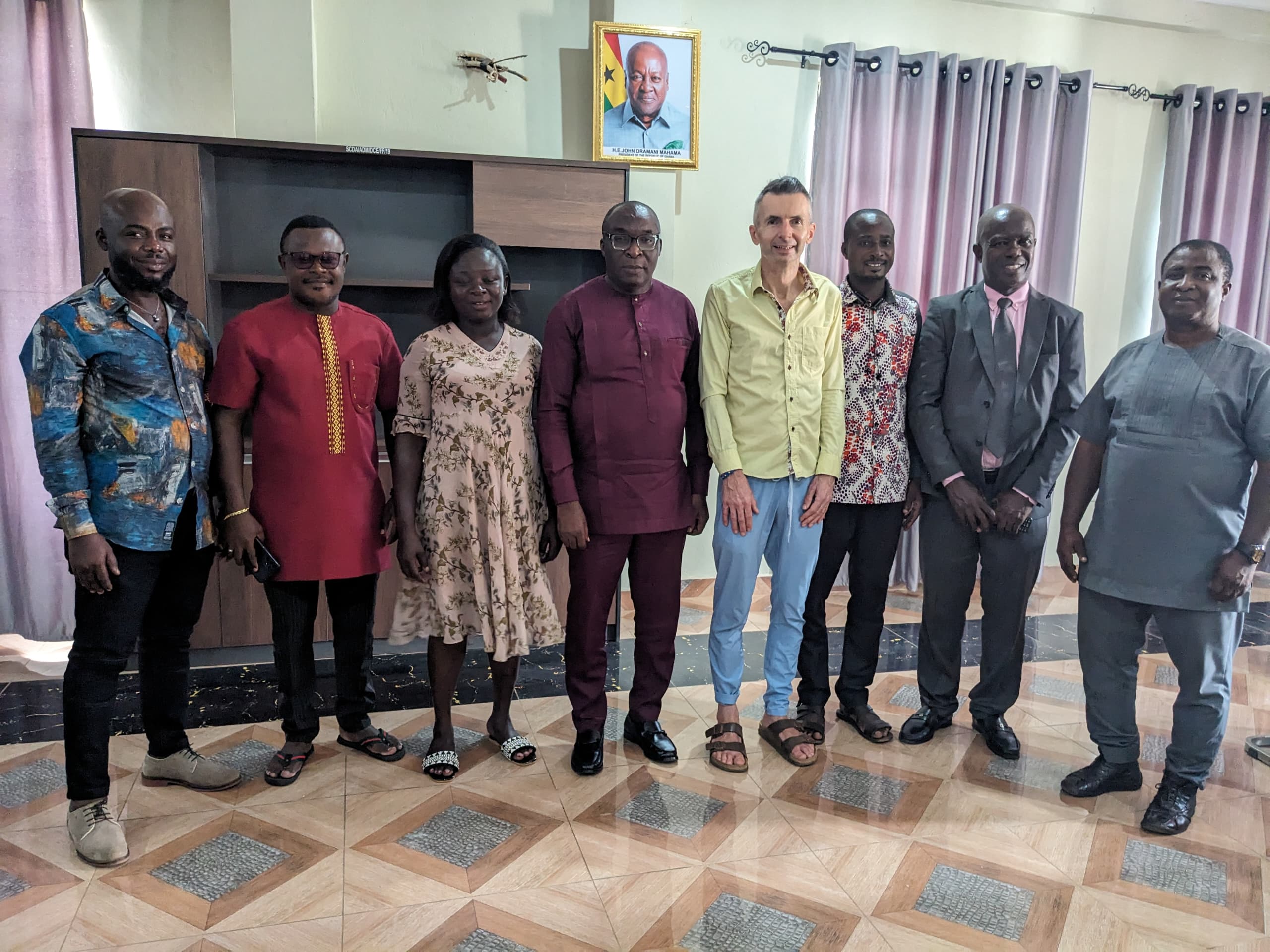
We were invited to meet with the District Chief Executive (on Mark’s right, in red) in Sekyere, and other members of his team. They are keen to facilitate our work.
Visiting past projects in Aframano
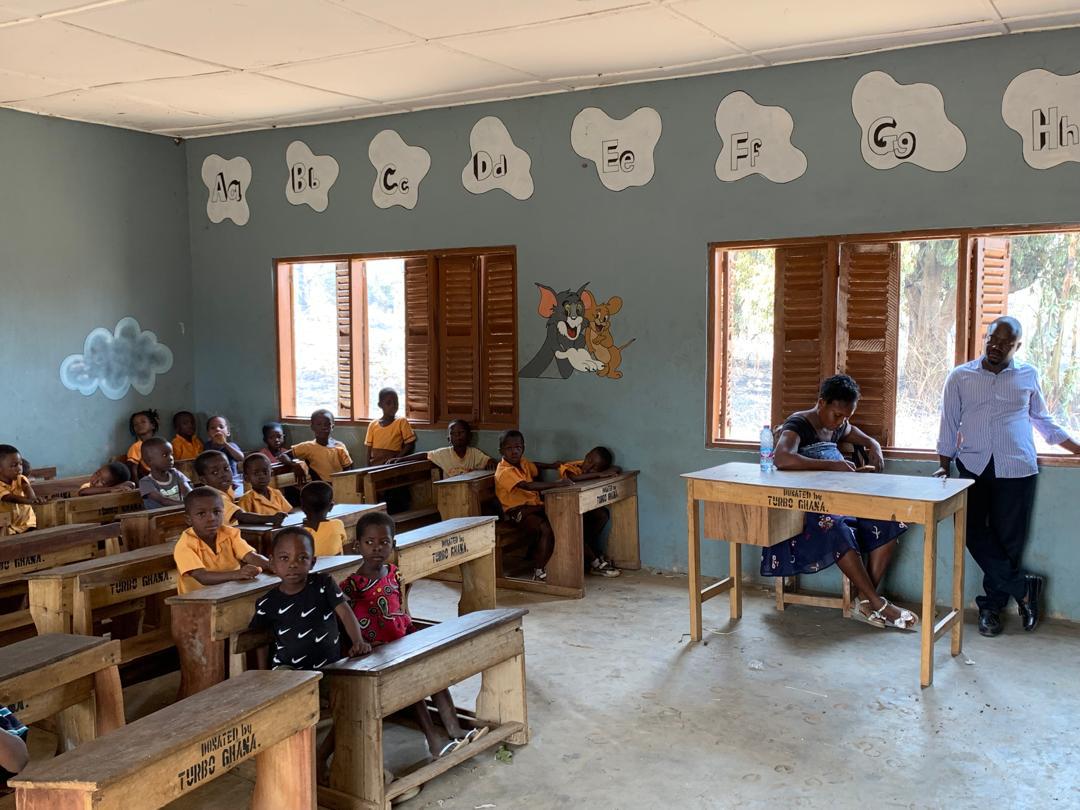
We visited the school, of course, looking great still. Mrs Abugre’s sheep farm is doing very well. The government has renovated the primary healthcare building that has been derelict for years.
Social